
5 Questions to Ask Before Buying an International Data Plan

In this article
Securing reliable mobile data is no longer a luxury when travelling abroad; it is fundamental travel infrastructure. Whether you rely on your smartphone for real-time GPS navigation, instant language translation, digital boarding passes, or contacting accommodation hosts, staying online keeps your journey smooth and secure. However, purchasing an international data package without examining the fine print can lead to unexpected coverage gaps, diminished network speeds, or costly post-trip bill shock.
Before purchasing any connectivity package for your next journey, asking five essential questions will ensure you select an option that fits your travel style, budget, and destination requirements.
1. Is the Plan Prepaid or Postpaid, and Are There Hidden Overage Fees?
The financial structure of an international connectivity plan is often the most critical factor determining overall satisfaction. Mobile plans generally fall into two categories: prepaid packages and postpaid carrier roaming options.
Postpaid roaming passes offered by traditional home carriers often operate on daily rates that automatically trigger as soon as your device connects to a foreign cell tower. Whilst these may appear convenient initially, costs compound rapidly over multi-week trips. Furthermore, if you exceed daily high-speed thresholds, carriers may charge substantial per-megabyte overages or throttle your connection to unusable speeds.
Prepaid options require you to purchase a fixed allocation of data for a specific duration prior to usage. This approach guarantees total financial transparency because you know your exact expenditure upfront. Before committing, confirm whether the plan automatically shuts off data when the limit is reached or if it silently charges an attached credit card for additional allowance.
2. Does the Package Offer Local Network Speeds or Multi-Hop Roaming Latency?
Not all cellular data connections are engineered equally. When you use mobile data in a foreign country, your traffic must route through a network infrastructure to reach the broader internet. How that traffic is routed directly impacts your speed and responsiveness.
Some budget international roaming providers use a technique known as international roaming backhauling. When you access a webpage in Tokyo, your data request might first travel all the way back to a server in your home country before returning to your device in Japan. This extra distance introduces noticeable latency, causing navigation apps to lag and web pages to load sluggishly, even if your phone displays a full 5G signal icon.
Before purchasing, check whether the provider partners directly with premium local tier-one network operators in your destination country. Direct local routing provides lower latency, faster download speeds, and a far more responsive internet connection when navigating busy foreign cities.
3. Will My Primary Phone Number and Two-Factor Authentication Remain Active?
In our increasingly secure digital world, accessing banking applications, work portals, or credit card verification pages requires two-factor authentication (2FA) via SMS text codes. If getting online abroad requires physically removing your primary SIM card to insert a foreign plastic SIM, your main phone number is disabled for the duration of the trip.
Losing access to your home line can create severe log-in lockouts while traveling. Therefore, you must ask how a prospective data plan integrates with your phone hardware. Modern smartphones equipped with Dual SIM capabilities allow you to keep your primary physical SIM card active in standby mode specifically for incoming verification texts, while routing all cellular data traffic through a secondary digital line. Selecting a connectivity option that supports Dual SIM functionality ensures you never miss a critical security code or urgent call while exploring abroad.
4. Does the Plan Coverage Match My Exact Itinerary and Validity Timeline?
Travel itineraries vary wildly, from brief four-day weekend escapes to multi-month journeys spanning multiple borders. Purchasing a rigid 30-day package for a five-day business trip results in paying for unused data, whilst relying on short-term passes during an extended holiday requires constant manual renewals.
Verify how the plan validity timer is calculated. Does the package validity begin the moment you complete the purchase, or does the timer only activate when your device actually connects to a supported network at your destination? The latter is far superior, as it allows you to purchase and configure your plan days before departure without wasting valuable coverage whilst sitting in transit.
Additionally, if your holiday involves crossing multiple borders such as a rail journey through Western Europe or an island-hopping route in Southeast Asia confirm whether the plan covers an entire region under a single activation or requires buying individual country profiles for every stop.
5. How Straightforward Is the Installation and Top-Up Process?
The final question addresses practical convenience: how much effort is required to get online upon arrival?
Traditional options often require standing in long queues at airport kiosks after an exhausting long-haul flight, filling out registration forms, presenting passport documents, and manually handling fragile plastic SIM cards. Alternatively, modern digital options allow over-the-air installation via a simple QR code scan or mobile app while connected to your home Wi-Fi prior to departure.
It is equally important to examine what happens if your data runs low mid-trip. Can you top up your allowance instantly online in a few taps, or does refilling require re-installing new setup files or visiting a local retail outlet? Choosing a flexible, digital-first provider ensures that topping up is fast and completely frictionless.
Stay Seamlessly Connected with SIMZY
When planning your next international adventure, avoid airport queues and unexpected roaming charges with SIMZY. SIMZY offers flexible, prepaid digital travel eSIM packages across 220+ destinations worldwide, allowing you to install your high-speed data plan over Wi-Fi before you take off and connect the moment you land.
Keep reading

Nano SIM vs. eSIM: Key Differences Every Traveler Should Know
Compare Nano SIM vs eSIM for international travel. Discover the differences, benefits, costs and setup, and find a SIMZY travel eSIM to stay connected abroad.

Data vs. Voice eSIMs: How Keeping Your Primary Number Works
Compare data-only and voice eSIMs, learn how to keep your primary number while travelling, and find the right travel eSIM for calls, texts and mobile data.
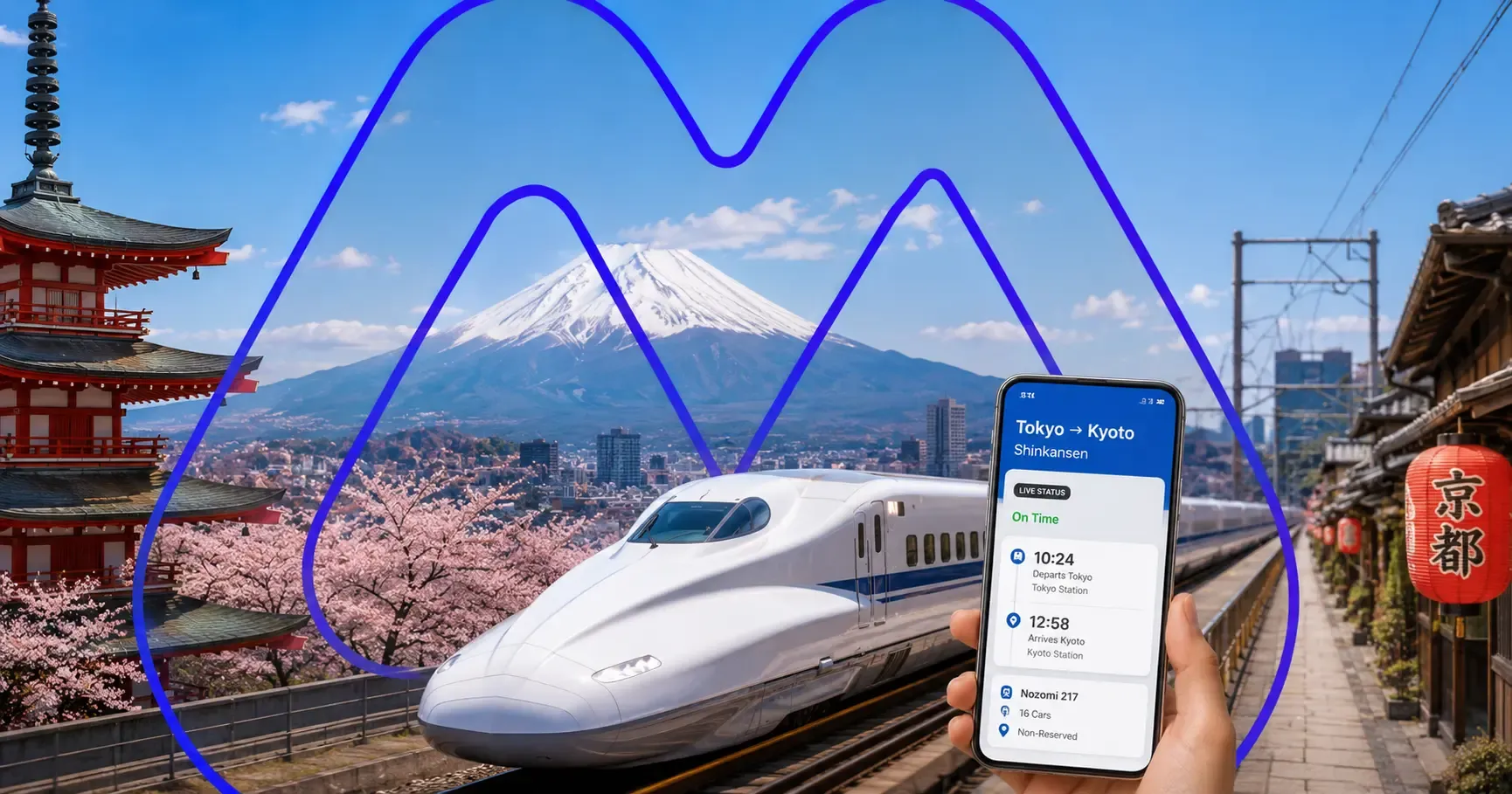
Tokyo to Kyoto by Bullet Train: Shinkansen Travel Guide
Planning a Tokyo to Kyoto trip by bullet train? This guide covers everything you need to know about the Tokaido Shinkansen, including Nozomi, Hikari, and Kodama services, journey times, tickets, seat options, fares, luggage rules, Mount Fuji views, and essential station tips. Learn how a Japan travel eSIM can also help you stay connected while navigating stations and checking real-time travel information.